02 Apr 2025
Design
An idea by itself isn’t legally protected. You can’t patent a concept without a working example or proven functionality. Copyright doesn’t cover thoughts, and while trademarks defend branding, they don’t apply to abstract app concepts.
Still, risks are real. People may take your idea and run with it, especially if you share details with no protections in place. Even if not copied word for word, someone could lift your approach, interface, or key features and build their own version. Early-stage confidentiality is essential. Once your idea spreads without legal safeguards, it becomes harder to claim ownership or enforce your rights.
It’s normal to share your app idea while building a team or seeking investment. Common parties include developers, freelance designers, technical co-founders, investors, and marketing consultants. These people need some understanding of the concept to help you move forward. However, trust is not enough.
In every scenario, whether you’re pitching or hiring, you must treat disclosures seriously. If someone needs to hear the idea to contribute, that conversation should be protected with a legal agreement. Otherwise, you risk losing control of the very concept you’re working so hard to build.
An NDA, or Non-Disclosure Agreement, is a simple legal document that prevents the other party from disclosing or using your idea without your permission. It acts as a basic layer of security. NDAs are widely used when speaking to potential developers, co-founders, or investors.
These agreements typically include terms that restrict how information can be used, require confidentiality, and define penalties for breach. Before presenting your app idea, especially during early meetings or interviews, ask the other party to sign an NDA. This small step often filters out anyone who isn’t serious or trustworthy.
Freelancers and agencies should always sign NDAs before seeing any detailed project materials. It’s a red flag if someone refuses. While an NDA doesn’t guarantee protection, it gives you legal footing in case someone does try to use your idea improperly.
While you can’t protect the idea itself, parts of your app might qualify for intellectual property protection. There are three main tools:
To register a trademark, you can file online via the UK Intellectual Property Office. The process costs from £170 per class and takes several weeks. Patent applications are more complex and may require legal assistance.
When working with other people, clear contracts are a must. Whether you’re hiring a freelancer or working with a co-founder, you need an agreement that defines who owns the output. Without written terms, the developer or designer may legally hold rights to parts of the app.
Make sure contracts include IP assignment clauses that transfer all ownership to you or your company. If multiple founders are involved, use a founders agreement to decide how equity and responsibilities are split. Bring in a solicitor to draft or review these documents, especially for anything involving long-term partnerships or major investments.
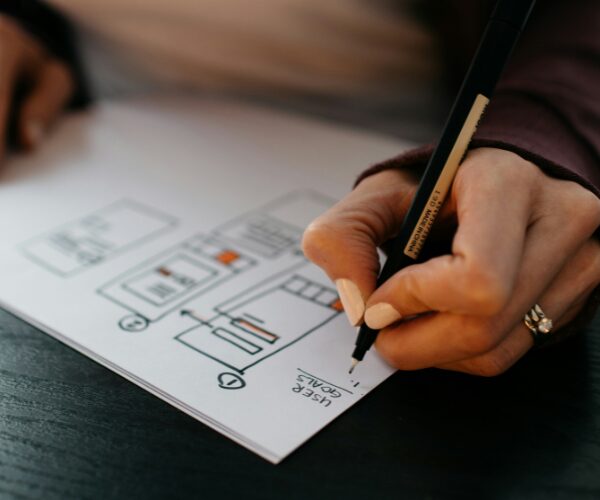
If a dispute arises, proof of who had the idea first matters. Keep detailed records of your concept’s evolution. Write down ideas, sketches, and user flows. Save dated versions of your documents, including drafts of business plans and prototypes.
Use cloud storage with timestamps or tools like Notion, Figma, or Google Docs that preserve version history. You can also email copies to yourself or have team members sign statements acknowledging your ownership. This kind of documentation is surprisingly powerful in legal disputes.
One of the best ways to protect an idea is to start building it. A prototype or minimum viable product (MVP) doesn’t just move your project forward, it proves originality. It’s harder for someone to copy something that already exists in working form.
Focus on showcasing unique features, workflows, or designs. These are the elements that could qualify for protection or serve as evidence of ownership. Even basic wireframes or clickable demos go a long way toward making your idea feel more real, and more defensible.
Eventually, you’ll need to pitch your idea to investors or stakeholders. To do so safely, only present to trusted parties or use platforms with privacy controls. If possible, ask investors to sign an NDA before your meeting. While some will decline, others will understand and agree, especially if you’re early-stage.
Use tools that offer password-protected links, time-limited access, or private video walkthroughs. Avoid sending pitch decks or demos as open links or unsecured PDFs. Be strategic in how much you reveal. Share just enough to spark interest while keeping critical details confidential.
Legal support is an investment that often saves time and headaches later. An intellectual property lawyer can explain what protections are available, help you draft NDAs and contracts, and guide you through trademark or patent applications.
They can also assess how protectable your idea really is, and recommend next steps if disputes occur. Even a single consultation at the beginning can help you avoid costly mistakes. If you’re serious about launching a business around your app idea, get legal advice before you share it widely.
App ideas are valuable but vulnerable. Without the right protections, your concept can be misused or copied before you even finish building. By taking proactive steps like using NDAs, documenting your work, and getting legal help, you create a strong foundation to move forward with confidence.
At AppsPlus, we work with founders and businesses to turn protected concepts into polished, secure applications. From strategy and contracts to development and delivery, our team understands what it takes to build apps that are ready for the real world.
Contact us to learn how we can help you move from idea to app, securely and successfully.