
02 Apr 2025
Design
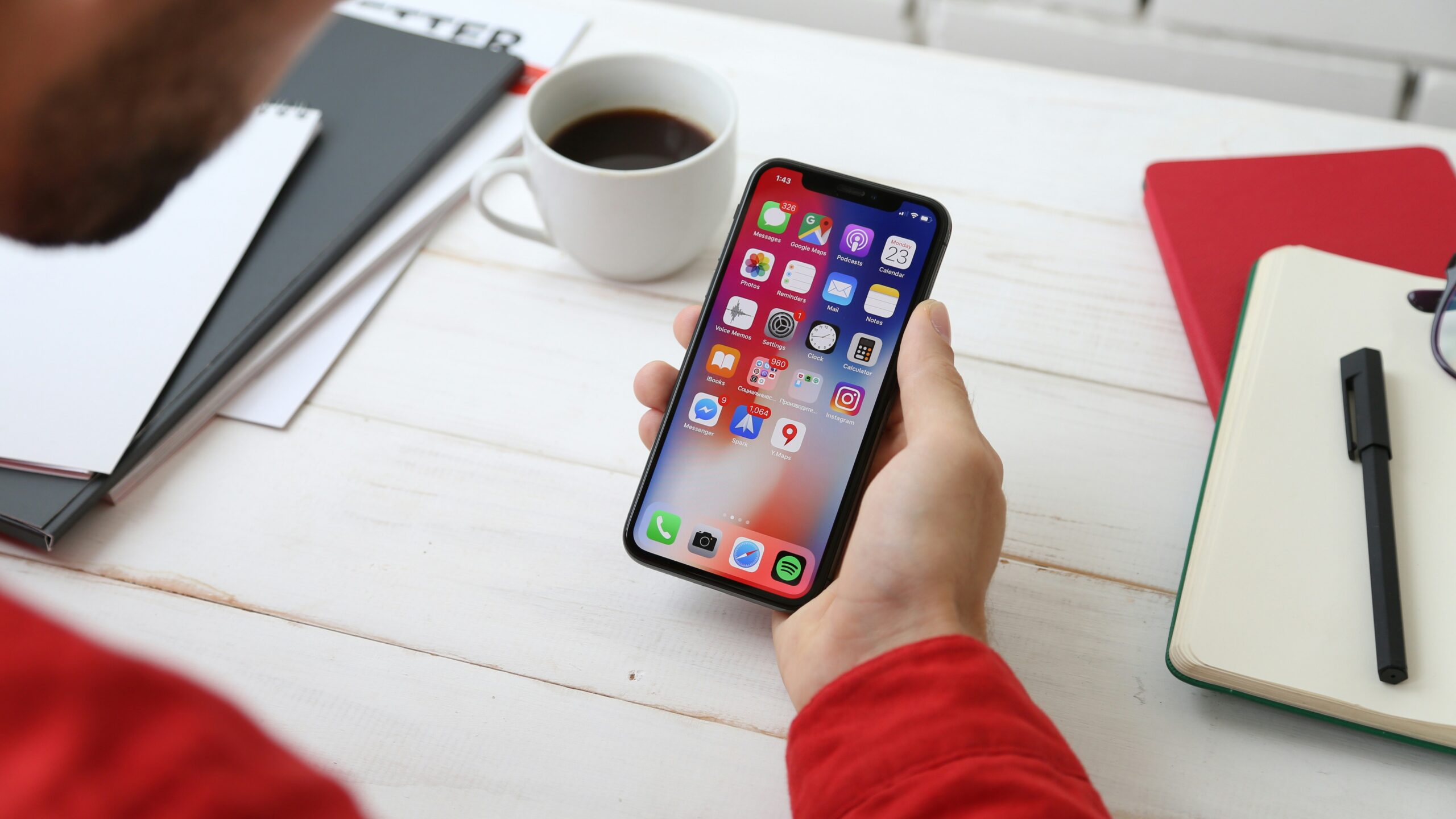
Bespoke apps are tailored to business needs. They are developed specifically for a company’s internal processes, customer interactions, or service offerings. This level of customisation allows businesses to streamline operations and gain an edge through software that reflects their actual workflow.
Off-the-shelf apps offer faster deployment. These are pre-built software solutions available to a broad market. Typically sold with standard licensing, they can be installed and used with minimal setup and are designed to work for general use cases across many industries.
Customisation refers to the degree to which software can be adjusted or configured to suit a business’s processes. Bespoke apps are user-specific and built from the ground up, while off-the-shelf software may allow limited configurability.
Licensing defines usage rights. Bespoke software usually includes full ownership or exclusive access, while off-the-shelf tools operate on a subscription or per-user license model.
Deployment describes how the software is rolled out across a business. Off-the-shelf options are installed quickly. Bespoke apps require development time but allow precise infrastructure planning.
Integration relates to how well software connects with other tools or systems. Proprietary bespoke solutions can be optimised for seamless integration, while pre-built solutions may depend on plugins or APIs.
Talk to Our Developers
Off-the-shelf solutions may lack flexibility. They’re designed to satisfy common requirements but might not support unusual workflows or niche business logic. In contrast, custom apps are built to serve specific needs.
Off-the-shelf apps can be customised to an extent. Many provide configurable settings or plugin modules, but these options are limited compared to a full custom build.
Off-the-shelf apps come with predefined features. What you see is what you get. Updates and new features are driven by vendor roadmaps, not customer feedback. Custom software, on the other hand, is adaptable. Businesses can upgrade or modify features as operations evolve.
Custom apps adapt to business growth and offer comprehensive functionality tailored to specific goals. They allow for flexible upgrades and scaling, giving long-term control over performance and user experience.
Off-the-shelf apps have predictable pricing and are generally lower in upfront cost. However, these savings may come with trade-offs in fit, flexibility, or future scalability.
How much does bespoke software cost? That depends on the complexity, scope, and timeline. Costs can be higher at the outset due to planning, development, testing, and deployment. But the long-term value often outweighs the investment.
What’s the ROI of bespoke applications? Custom solutions offer better alignment with goals, fewer workarounds, and reduced reliance on third-party tools. Over time, this can mean fewer inefficiencies and stronger outcomes.
Total cost of ownership includes more than just the initial purchase. It spans maintenance, support, upgrades, and operational alignment. Off-the-shelf tools might offer updates, but often on the vendor’s schedule and terms.
Bespoke development requires longer timelines but offers long-term control. For CTOs and procurement teams, this means better planning and stronger alignment with business strategy.
Which option is quicker to implement? Off-the-shelf apps are quicker to deploy. They are ready to use after installation and minor setup. Developers build bespoke apps from scratch, which means the timeframe includes planning, design, development, and testing.
Companies integrate bespoke apps into existing systems more smoothly because integration is planned during development. Custom software connects to databases, internal tools, and APIs with fewer compromises.
Ready-made software may require third-party plugins or workarounds to achieve similar results. This adds complexity to maintenance and can limit efficiency.
Which is better for long-term scalability? Bespoke software is generally better suited to scale with a business. It can be designed to grow with user demand, new markets, or evolving functionality.
Custom apps adapt to business growth by accommodating new features, users, and data loads without performance issues. They’re also more robust in managing complex workflows.
Business needs change. Off-the-shelf software may become outdated or limited over time. Updates depend on vendor roadmaps, which may not align with user needs.
Bespoke apps evolve with user needs and processes. They provide flexibility, ownership, and targeted support. For long-term planning, this offers peace of mind and a better user experience.
How secure is custom vs ready-made software? Custom software can be more secure if developed using modern frameworks and best practices. It offers control over data handling, access levels, and compliance.
Vendors support off-the-shelf software with regular updates, which improves security over time but introduces dependency. If a vendor discontinues support, businesses may be forced to switch platforms.
Vendor support for off-the-shelf apps includes help desks, patches, and scheduled updates. While generally reliable, it might not cover every use case.
Bespoke apps are supported by internal teams or long-term development partners. This gives more flexibility in resolving issues, adapting to changes, and prioritising fixes.
IT managers and consultants often favour custom development because it gives greater insight into performance, update cycles, and future planning.
Both bespoke and off-the-shelf apps have strengths and drawbacks. Off-the-shelf software is faster to deploy and cost-effective for general needs, while bespoke apps take longer to develop but provide superior fit, scalability, and long-term control. For businesses with specific processes, growth plans, or compliance requirements, investing in a custom solution often delivers stronger results. For simpler needs or quick wins, ready-made tools remain practical and accessible.
If you’re unsure which route is right for your organisation, AppsPlus can help you evaluate your options and build the best-fit solution. Ready to explore your next step? Contact us today.