
02 Apr 2025
Design
Mobile app development is the process of creating software applications that run on mobile devices, often designed to serve a business function. In the business world, an “app” refers to a tool that improves how companies interact with customers or manage internal processes. “Development” involves designing, building and maintaining this app. And “business” refers to the end goal: improving performance, profits or service.
Mobile platforms have become the first point of contact for customers. From checking balances to booking services, people expect access at their fingertips. That’s why mobile-first strategies are gaining momentum, they prioritise mobile performance before anything else.
Business owners see apps as an asset to deliver service anytime, anywhere. Product managers use them to test and launch new features quickly. And investors increasingly look for tech-driven companies with app-based scalability. Whether you’re building your first mobile app or enhancing an existing one, Apps Plus helps businesses turn ideas into powerful digital tools. Our team designs and develops custom mobile apps that improve efficiency, strengthen customer relationships, and drive measurable results.
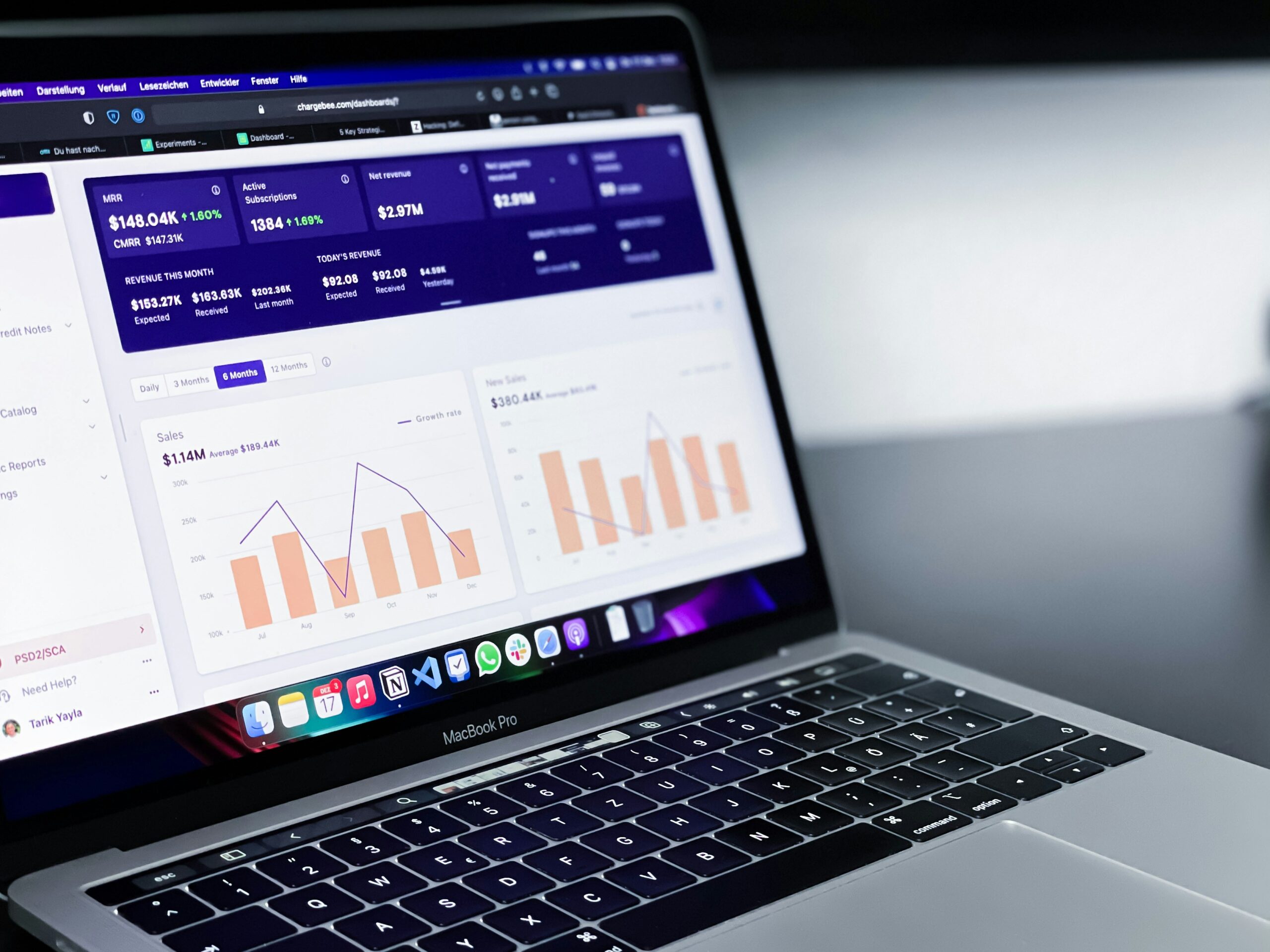
Apps increase user engagement. People interact more with brands when there’s a dedicated app available. Apps keep users in your ecosystem through real-time notifications, loyalty features and in-app messaging.
Apps with responsive design and easy navigation improve customer retention. When users find value quickly, they’re more likely to return. Accessibility is another major benefit, apps remove friction and make it easier to engage on the go.
Development streamlines business processes. Whether it’s automating tasks, syncing data or linking multiple systems, apps simplify operations.
An internal dashboard, for example, can reduce paperwork, connect remote teams and deliver updates in real time. Businesses gain faster service delivery and fewer errors, especially when apps integrate with CRM, ERP or other software.
Apps help businesses generate revenue. This might happen through direct sales, upselling, ad placements or subscriptions. It also helps maintain customer loyalty.
Push notifications remind users of offers. Seamless payment integrations speed up transactions. And having your brand in a customer’s pocket opens repeat sales potential. Investors value recurring revenue channels, while business owners appreciate the control over customer touchpoints.
Apps provide real-time communication. That means faster responses, order tracking, or personalised recommendations based on user history. Technology enhances customer experience by making it feel tailored to the individual.
Good apps use intuitive design and responsive layouts. They’re user-friendly and efficient, even on older devices. Usability, customisation and efficiency are the real wins here.
With a mobile app, your brand is always visible. Icons on a user’s home screen reinforce awareness, while push notifications keep the conversation going.
Apps can be designed with brand colours, tone and features that reflect your identity. This makes them powerful tools for marketing teams and UX/UI designers focused on recognition and long-term engagement.
Business apps need to grow with the company. That’s where scalable, cost-effective platforms come in. A well-built app can handle growing traffic, new features and more complex user flows.
Scalability supports innovation too. Businesses can test and add features without starting over, reducing long-term costs while increasing agility.
Security matters more than ever. Business apps must protect customer data and ensure compliance with regulations like GDPR.
Secure apps offer real-time data access, encrypted communication and controlled permissions. Seamless integration with back-end systems ensures data is synced safely. IT managers prioritise this reliability when approving new tech.
App development improves operational efficiency. It’s an investment, but one that typically pays off in customer satisfaction, reduced admin costs, or increased revenue.
So is it worth it? For most businesses — yes. Apps lower service costs, increase retention and give your team better tools to work with.
You can expect ROI from faster workflows, smarter customer data use, and a competitive edge. For business owners, it’s about productivity. For investors, it’s future value. For developers, it’s the challenge of building something sustainable.
What features should a business app include? Start with the essentials: real-time messaging, push notifications, easy login, offline support and data sync.
Customers want speed and ease of use. Developers focus on reliability and performance. UX/UI designers care about how users feel using the app. All three priorities meet in accessibility and usability.
You’ve got two choices: build from scratch or use a template platform. Custom development gives you full control, especially for mobile-first strategies.
Custom solutions win on innovation, usability and security. You get a product built around your workflow, brand, and future needs. Templates are quicker and cheaper upfront but may limit what you can grow into.
For many businesses, especially those scaling or dealing with sensitive data, custom wins in the long run.
The cost of developing a mobile app depends on several factors, including features, complexity, design, and platform choice. A simple app with basic functionality will cost less than a fully customized solution with integrations, advanced security, and tailored user experiences.
Custom app development typically offers a higher upfront cost but delivers long-term value through scalability, better performance, and flexibility. Template-based apps may be cheaper initially but often come with limitations that make future updates or expansions more expensive.
When budgeting for app development, it’s important to think beyond the initial build. Ongoing maintenance, updates, and improvements ensure your app continues to perform well as your business grows.
Is your business ready to unlock new opportunities through mobile technology? Apps Plus can help. From strategy and design to development and launch, we create mobile apps that grow with your business and deliver real value to your customers. If you are ready to create an app that people will love to use, get in touch with us today.